Many predictions were made after collecting data for the housing and mortgage trends of 2020. This all changed when COVID-19 switched things up. Here are several mortgage trends that buyers and sellers will face in the second half of 2020.
Mortgage rates will stabilize. This is one area that predictions were changed due to COVID-19. Originally Fannie Mae, Freddie Mac, the Mortgage Bankers Association and the National Association of Realtors predicted that mortgage rates would slightly move from the end of 2019 to the end of 2020.
Well that didn’t pan out the way they predicted. With the onset of COVID-19 mortgage rates plunged in February. The average rate on a 30-year fixed-rate mortgage went down almost a half a percentage point to 3.37% APR in a little over a week. For the next four months the mortgage rates continued to drop and in June of 2020 the 30-year fixed-rate mortgage averaged 3.35% APR compared to the same time a year before at 4.24%.
Now Fannie Mae, Freddie Mac, the Mortgage Bankers Association and the National Association of Realtors predict yet another fall of around one-tenth of a percentage from the second quarter of 2020 to the fourth quarter of 2020. The average 30-year fixed-rate mortgage could drop to as low as 3% APR by year end.
It will be hard to find homes to buy. Today, inventory is low and buyers are facing bidding wars. According to predictions, the home inventory shortage will continue through this year and beyond. There were approximately 20% less inventory in May of 2020 than in May of 2019. COVID-19 had a lot to do with this as sellers took their homes off the market for fear of potential homebuyers walking through their homes. This still remains true with the high number of COVID-19 cases throughout the country.
Lack of affordability will hold back home sales. In May, home prices rose faster than incomes making it hard for buyers to afford a home. Home resales dropped over 30% year-over-year in May and the median price rose 2.3%.
“New home construction needs to robustly ramp up in order to meet rising housing demand. Otherwise, home prices will rise too fast and hinder first-time buyers, even at a time of record-low mortgage rates,” said Lawrence Yun, chief economist for NAR.
iBuyers will keep growing. This is a popular trend and will stay that way because of the conveniences and lack of traffic through your home. iBuyer is a company that allows sellers to ask for an offer on their home. If you agree to the price, iBuyer will purchase your home as-is. The company then fixes it up and re-sales the house.
At the beginning of the pandemic, many iBuyer companies such as Opendoor, Zillow Offers, Offerpad and RedfinNow stopped making offers. As the country continues to rephase into opening back up, the companies began to make offers and purchase homes.
The refinance boom will continue. With the low mortgage rates, many decided to refinance their homes. In February and March of this year the mortgage industry was bombarded with more refinance applications than lenders could even handle. Refinancing is still going strong but will slowly fade away.
Housing insecurity will remain. COVID-19 destroyed the U.S. economy and made the unemployment rate rise from 3.5% to 14.7% in April. With the rise in cases many are scared of a second phase of shut-downs. Luckily the Coronavirus Aid, Relief and Economic Security Act was passed and offers mortgage relief to homeowners who have suffered income loss due to the pandemic. According to Black Knight, a real estate date provider, June 30 saw 4.5 million homeowners in mortgage forbearance plans. Homeowners will be allowed to request mortgage forbearance through the end of 2020.
3D home tours will still rise. When the country was put on mandatory lockdown orders, sellers begin to hesitate on showing their homes. The social distancing disrupted open houses and scared many homeowners from allowing visitors into their homes. Technology became the source of open houses. Potential buyers could view the homes as if they were walking through the actual house. 3D home tours allow potential homebuyers to visit many more homes virtually and quickly narrow down their list of potential properties. Even with the COVID-19 scramble on housing predictions, the future of the housing market is positive for the remaining year. This is a great time to purchase a new home.
Click Here For the Source of the Information.


 According to the National Association of Home Builders analysis of Census Construction Spending, private residential construction was up 2% in July. The total private residential construction spending came in at a seasonally adjusted annual rate (SAAR) of $546.6 billion.
 While the novel coronavirus has wreaked havoc in current times, the housing industry has stayed steady and growing even stronger in Q2 2020. The National Association of Home Building Geography Index (HGBI) reports
 According to the
 Many predictions were made after collecting data for the housing and mortgage trends of 2020. This all changed when COVID-19 switched things up. Here are several mortgage trends that buyers and sellers will face in the second half of 2020.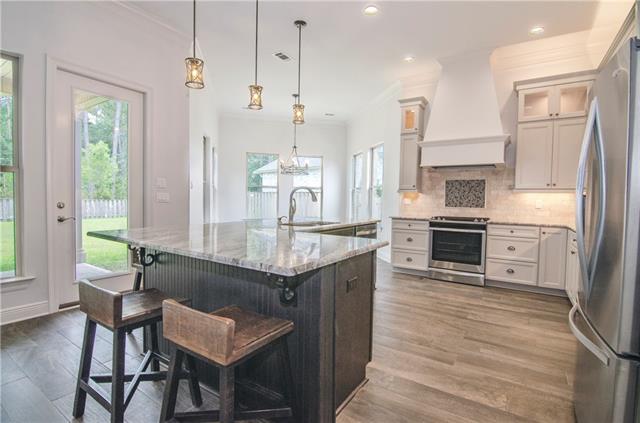
 The home building industry is booming in the midst of the low mortgage rates and low home inventory. The latest
  Being a successful Realtor, you have repeat customers throughout your career. A buyer from the past might come back and want to list their home for sale or a listing from the past might come back on the market to resell. There are many tactics and things to consider when listing a home that was already part of your inventory in the past. These five tips will help with those listings that come back on the market.