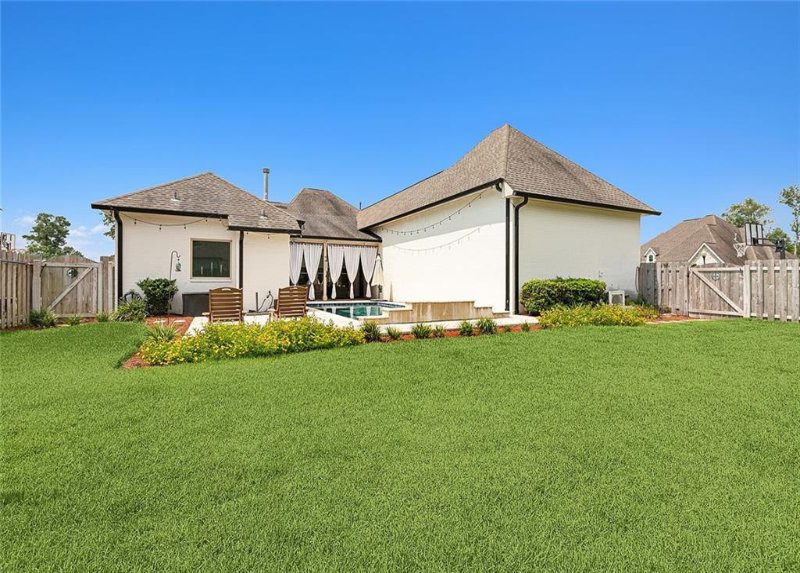
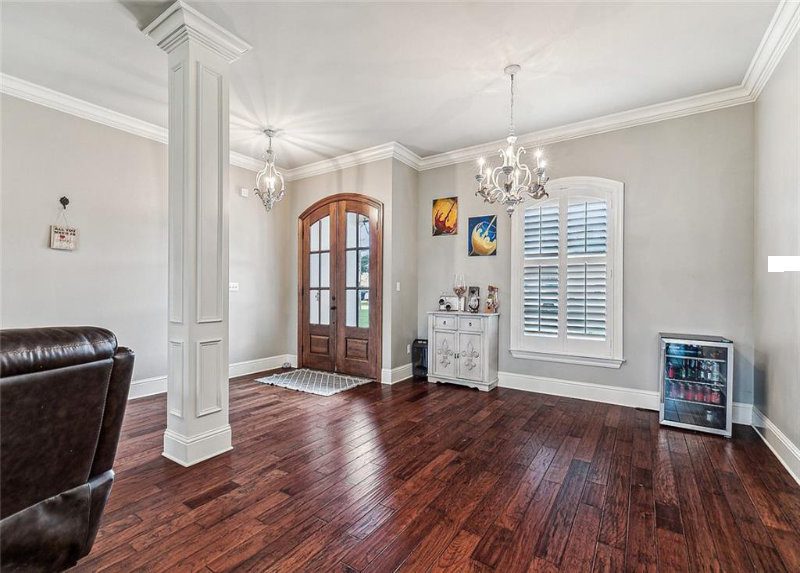
Find out about the latest news in Madisonville, Louisiana as well as St. Tammany Parish. We will keep you “tuned in” to all of the information about Southeast Louisiana as well as the real estate industry in general. Many new home buyers are concerned about the market, mortgage information, and builder trends. We plan on keeping you as up to date as possible on these and many more topics. There is a lot going on in the Greater New Orleans area, so you will have plenty to read!

Reviving Bowling in Mandeville with a $2 Million Investment

Cao, an entrepreneur known for turning around a bowling alley on the West Bank of Jefferson Parish, is making a $2 million investment to refurbish and reopen the long-closed Tiffany Lanes on La. 22 in Mandeville. The new venture, named Paradise Alley, is set to become the second bowling alley in St. Tammany Parish, joining the existing alley in Slidell.

“I think the area is primed,” said Cao, highlighting the need for more family entertainment options, as the alley has been closed for over a year.

The upgraded Paradise Alley will feature 32 lanes, with a focus on league play during weekdays and open bowling on weekends. Friday and Saturday nights may also include live music, adding a fresh twist to the traditional bowling experience. “I’d like to open sometime in September,” Cao mentioned, although the timeline depends on securing necessary permits.

From Banking to Bowling: Cao’s Journey

Cao, who spent 17 years in banking and also works in real estate development, is no stranger to the bowling business. In 2016, he led a $2.5 million renovation of Westside Lanes in Harvey, transforming the 20-lane alley. “I learned a lot from that,” he said, noting that Paradise Alley will be nearly twice the size of his previous project.

The 35,000-square-foot building in Mandeville has been extensively renovated. “I pretty much gutted everything,” Cao said, mentioning the installation of new lanes and the removal of drop-down ceilings to create a more open, inviting atmosphere.

Bowling’s Evolution in the U.S. and New Orleans

The U.S. bowling industry is still bouncing back from the challenges of the pandemic, but there’s a rich history in the New Orleans area. Bowling surged in popularity during the 1950s and 1960s, with iconic local alleys like Bowlarama, Sugar Bowl Lanes, and Mid-City Lanes, which later became Rock ‘n’ Bowl, known as much for its live music as for its bowling.

While bowling’s future was questioned in the early 2000s, Cao believes it remains an attractive entertainment option — if done right. “Bowling has evolved,” he explained. “You have to offer more.”

Modern bowling centers now emphasize open, updated facilities with enhanced lanes, better food options, and added entertainment to draw crowds.

What to Expect at Paradise Alley

Though Paradise Alley’s menu will stick to classic bowling alley favorites like pizza, burgers, and fries, Cao promises a tastier experience. “It’s tough to change the mindset of what bowling alley food is,” he admitted with a laugh.

Weekends will likely feature live music or a DJ, but Cao doesn’t plan to keep the venue open past midnight.

As Mandeville gears up to welcome Paradise Alley, Cao is hopeful that his blend of classic fun and modern amenities will create a vibrant new gathering spot for the community.

Click Here For the Source of the Information.

What Homebuyers Need to Know as the Year Progresses

The housing market may have had a slow start in 2024 as buyers waited for interest rate cuts, but there are still reasons to be optimistic. Despite high rates and elevated housing costs, buyers and sellers are seeing positive trends that could create new opportunities as the year moves forward.

Current Demand in the Housing Market

While the demand in the housing market has cooled compared to the highs of the past two years, it remains steady. Year-over-year demand has remained flat, but it has started to tick upward during the summer months, a time when the housing market typically picks up. One key factor is that buyers are now adjusting to mortgage interest rates ranging from 6-8%, and some have decided to jump into the market after waiting on the sidelines.

A recent survey found that over half of millennials and 40% of Gen Z respondents feel that now is a good time to buy, even with the higher interest rates. However, affordability continues to be a significant challenge. Over three-quarters of Americans cannot afford the median home price of $500,000, and half cannot afford a $250,000 home. If the supply of homes increases, prices may begin to decrease slightly. Encouragingly, the number of new single-family homes for sale was up nearly 12% year-over-year in April and continues to trend upward.

Where is the Housing Market Headed?

Interest rates are expected to come down gradually, but the pace will likely be slow. When reductions do occur, they may generate excitement and renewed activity in the housing market. Many experts predict that consumer demand will strengthen in the second half of 2024 and continue to improve as the year progresses. The fourth quarter, typically a quieter period for homebuying, could experience an upswing if rates are cut later this year.

Navigating Interest Rates

For homebuyers focused on securing the lowest possible interest rate, it may be wise to start looking now and purchase when you’re financially ready. Historically, the 30-year fixed mortgage rate has averaged 7.68% since 1976. Fannie Mae forecasts that rates will slowly decline but remain above 6% through 2025.

If you can afford a home and qualify for a loan, waiting for further rate drops could delay your homebuying journey. Additionally, buying now and refinancing later—when rates potentially fall—could be a smart move. It allows you to lock in your home’s price, begin building equity, and then take advantage of lower rates in the future. If you’ve recently purchased a home and are considering refinancing, it’s essential to be aware of common mistakes to avoid.

Interest rate changes can cause spikes in demand, so it’s wise to be prepared. Knowing your desired neighborhood, having a solid financial plan, and getting pre-approved by multiple mortgage lenders can help you act quickly when the right home becomes available.

New Rules from the National Association of Realtors Settlement

A recent ruling affecting real estate transactions has also caught the attention of both buyers and sellers. Previously, sellers were required to pay their buyer’s agent’s commission—typically around 6% of the sale price. With the new ruling, this may no longer be the case, potentially offering more negotiation opportunities for commission fees.

It’s possible that buyers may now have more options, such as hiring agents offering reduced-price services or opting for self-guided viewings of homes through lockboxes. While first-time homebuyers may be concerned about the cost of paying for their agents, there’s potential for these fees to be negotiated into the sale price rather than paid out of pocket.

Moving at Your Own Pace

Buying a home is a significant financial milestone, but it’s important not to feel rushed. Moving forward at your own pace, based on your financial readiness, can help ensure a satisfying and successful purchase. While the market may fluctuate, being prepared with a clear plan and understanding of your financial goals will help you navigate the housing market confidently.

For those just getting started, tools like ComeHome can help buyers search for homes, while current homeowners can track their home’s estimated value and monitor neighborhood listings.

Click Here For the Source of the Information.

10 Effective Deck Privacy Ideas to Create Your Own Outdoor Retreat

Enjoying your deck is all about comfort, and privacy plays a significant role in that experience. Whether you’re hoping to avoid interactions with neighbors or seeking a peaceful hideaway, creating a secluded outdoor space can make all the difference. Here are 10 creative and effective ways to add privacy to your deck, turning it into your personal retreat.

1. Install Fencing

Fencing is a popular solution for privacy, offering both functional and aesthetic benefits. Tall privacy fences, such as board-on-board or shadow box designs, can provide total seclusion, while partial fencing around high-traffic areas can enhance privacy without fully enclosing your space. Be sure to consider your budget, maintenance needs, and local regulations when selecting fencing materials.

2. Build a Privacy Screen

Privacy screens are a versatile option that can block prying eyes while adding to your deck’s visual appeal. Whether made of wood, metal, or composite materials, privacy screens can stand alone or complement existing structures. For instance, Trex® Privacy™ screens offer a range of stylish options for shielding seating areas or hot tubs while blending seamlessly with your deck’s design.

3. Install a Pergola

A pergola adds height, shade, and privacy to your deck. Freestanding or attached, pergolas feature vertical posts and an open roof framework. Enhance privacy by adding outdoor curtains, retractable shades, or growing climbing vines like jasmine. While pergolas may not provide complete privacy, they offer an inviting, shaded retreat.

4. Build a Cladding Wall

Cladding walls are a perfect solution if you want maximum privacy and noise reduction. Customizable to your design preferences, cladding walls can stand alone or be integrated into existing walls or fences. For added flair, incorporate design elements like decorative patterns or lighting to personalize the space.

5. Surround the Space with Trees and Hedges

Natural privacy options, like trees and hedges, create a green backdrop while providing shade, improving air quality, and reducing noise. Although greenery takes time to grow, it offers a beautiful, eco-friendly screen that enhances your deck’s aesthetics. Choose plants that thrive in your climate and consult a local nursery for guidance.

6. Install a Trellis

A trellis adorned with climbing plants adds charm and privacy to your outdoor space. As the plants grow, they create a natural barrier that shields your deck while softening sunlight and reducing noise. Whether ivy or jasmine, interwoven foliage offers a beautiful, lush screen for relaxation or entertaining.

7. Make it an Extension of Your Home

Blurring the lines between indoor and outdoor living is an excellent way to extend your home’s privacy to your deck. A high-budget version might include enclosed walls and ceilings, but more affordable options like lattice, pergolas, or fencing can create the feeling of a secluded room without the cost of a full extension.

8. Hang Outdoor Curtains

Outdoor curtains offer a flexible, elegant solution for deck privacy. Hanging them from a pergola or covered deck creates a cozy, intimate atmosphere that can be tailored to your needs. Draw them for seclusion or let them billow in the breeze for a light, airy feel. Available in various colors and textures, outdoor curtains allow you to customize your deck’s style and comfort.

9. Install a Bamboo Privacy Wall

Bamboo privacy walls bring a natural, stylish touch to your deck while enhancing privacy. Bamboo’s durability and visual appeal make it a popular choice for creating serene outdoor spaces. These walls can be easily customized to fit any size deck or patio, making them a versatile and attractive option for privacy.

10. Add a Large Umbrella

A large umbrella is one of the simplest and most affordable deck privacy ideas. Offering flexibility, umbrellas allow you to adjust coverage as needed, providing shade and privacy for relaxation or gatherings. With easy installation and a wide range of styles, umbrellas are a quick way to enhance your deck’s comfort and charm.

With these 10 deck privacy ideas, you can transform your outdoor space into a secluded oasis that feels just as comfortable and inviting as your indoor spaces. Whether you opt for natural greenery, elegant curtains, or sturdy fencing, these solutions will help you create a private retreat tailored to your style and needs.

Click Here For the Source of the Information.

Harbor Center Unveils Major Expansion, Offering New Meeting Spaces and Event Flexibility

On August 22, The Harbor Center in Slidell proudly revealed its long-awaited expansion, marking a new chapter in the facility’s history. The added meeting rooms have quickly captured the interest of event planners and individuals looking to host both intimate and large-scale events.

Harbor Center General Manager Kathy Lowrey expressed excitement about the versatility of the new space. “The best part about this new space is that it allows for such a diversity of events, from wedding receptions and baby showers to large corporate conferences needing breakout rooms,” Lowrey said.

The Harbor Center, which originally opened in May 2005, had always envisioned additional meeting space. However, financial limitations at the time delayed its construction, explained Ron Blitch, the architect from Blitch Knevel Architects who worked on both the original building and the new 9,000-square-foot addition. Blitch praised the result of the expansion, saying, “This expansion is the look we always hoped for. It is meant to look as if it has always been here.”

The newly unveiled space is designed to draw more events to St. Tammany Parish while also providing greater flexibility for existing users. A new second entrance now enables the Harbor Center to host multiple events simultaneously. The expansion’s centerpiece is a 6,500-square-foot multipurpose room, which can be divided into four smaller meeting rooms, each equipped with Wi-Fi, adjustable lighting, and a recessed projector screen. Without dividers, the room transforms into a spacious venue capable of accommodating 420 guests for a banquet, 306 in a classroom setting, or 650 in a theater-style arrangement.

The grand opening ceremony on August 22 featured a brass band leading a second line parade around the facility, showcasing the banquet-style layout of the fully opened space.

Sales and Marketing Manager Cody Bienvenu highlighted the broad appeal of the new space, saying, “We are seeing birthday parties, lunch-and-learns, and showers. We can accommodate every event from the corporate meeting to the franchisee gathering.” He emphasized that the expansion adds both options and flexibility for larger events like corporate conventions, as well as smaller, more personal gatherings.

Harbor Center Board Chairman Mark Myers hailed the expansion as “a meeting planner’s dream,” noting its potential to elevate the scope of existing events and attract even larger ones. Parish Councilman Larry Rolling of Covington echoed this sentiment, emphasizing the broader benefits the expansion will bring to the entire parish. “The economic impact from this upgrade will be seen throughout St. Tammany. It’s hard to find beautiful event space like this,” he said.

In attendance at the grand opening were St. Tammany Parish President Mike Cooper, Harbor Center Board members, and representatives from local business and civic organizations, including the East St. Tammany Business Alliance and the St. Tammany Chamber of Commerce. Architects from Blitch Knevel and builders from Voelkel McWilliams Construction were also present, alongside various government and civic leaders.

Looking to the future, Lowrey revealed that the next phase of the $3.3 million self-funded expansion project includes plans for a potential on-site hotel, which would be developed through a public-private partnership. Several developers have already shown interest, and Lowrey envisions a hotel connected to the Harbor Center with accompanying restaurants, further enhancing the venue’s appeal.

“A hotel that would attach to The Harbor Center in a public/private partnership, with restaurants to follow, would bring this space to the next level,” Lowrey added.

With its new facilities and future development plans, The Harbor Center is poised to become an even greater asset to the St. Tammany community and a prime destination for events of all sizes.

Click Here For the Source of the Information.

Consumer Optimism Rises in Real Estate Market, Despite Industry Pessimism

While the real estate industry may be feeling the weight of current market challenges, consumer optimism appears to be on the rise. According to the latest Fannie Mae Home Purchase Sentiment Index, consumer confidence in the housing market increased in June, reaching 72.6—a 3.2-point gain from the previous month and the highest level in over two years. This improvement suggests that more consumers are beginning to see the glass half full when it comes to buying and selling homes.

A Shift in Consumer Sentiment

In June, the share of consumers who believe it’s a good time to buy or sell a home increased, although the number of those who think it’s a good time to buy remains relatively low at 19%. This is, however, a notable improvement from May, when this share hit an all-time low of just 14%.

While the June index reflects a positive trend, it’s important to note that consumer sentiment is still well below pre-pandemic levels. The index, which fell to a 13-year low in the fall of 2022, is still far from its summer 2019 peak of 91.5. Despite the gains, consumers remain cautious, with many expecting home prices and mortgage rates to continue rising over the next 12 months. However, this concern is tempered by a growing sense of job security, which could make potential buyers feel more comfortable entering the market.

“Affordability concerns remain the primary driver of consumer housing sentiment, even as the topline findings from our monthly survey showed a modest uptick in optimism on both homebuying and home-selling conditions,” said Mark Palim, Fannie Mae’s deputy chief economist. Palim also pointed out that meaningful improvements in sentiment are unlikely without significant progress on affordability, either through lower mortgage rates or increased housing supply.

Industry Sentiment: A Different Story

While consumers are beginning to feel more positive, the sentiment within the real estate industry is trending in the opposite direction. Builder confidence, as measured by the National Association of Home Builders, has been steadily declining, reaching a score of 43 in June. This decline suggests that builders are increasingly concerned about the market’s future prospects.

Similarly, the latest confidence index from the National Association of Realtors indicates that real estate professionals are less optimistic about buyer traffic increasing year-over-year in the next three months. This growing industry pessimism contrasts sharply with the slight uptick in consumer optimism.

Conflicting Views on Mortgage Rates

Mortgage rates remain a key point of contention between consumers and industry experts. While many industry economists predict that mortgage rates will begin to decrease later this year, consumers are not as convinced. According to Fannie Mae, 33% of surveyed consumers expect mortgage rates to rise in the next 12 months, while only 24% expect them to fall. This marks a significant shift from six months ago when more consumers anticipated a decline in rates. The change in consumer expectations coincided with the Federal Reserve’s decision to delay cutting interest rates, which has kept mortgage rates elevated.

The Road Ahead

The mixed messages from consumers and industry professionals underscore the uncertain path ahead for the real estate market. While consumer confidence shows signs of recovery, significant challenges remain, particularly around affordability. The direction of mortgage rates and the availability of housing supply will likely be key factors in determining whether this newfound optimism can be sustained.

For now, the housing market continues to navigate a complex landscape, with both consumers and industry insiders watching closely to see how these dynamics will play out in the coming months.

Click Here For the Source of the Information.

Transforming Your Lawn: Eco-Friendly Practices for a Greener Yard

Few sights are as picturesque as cattle grazing on a pasture, a scene that symbolizes the harmony between nature and agriculture. Pastures offer numerous environmental benefits, such as preventing erosion, enhancing biodiversity, and naturally fertilizing the soil. In contrast, the typical American lawn consumes vast resources—90 million pounds of fertilizer, 78 million pounds of pesticides, 1.2 billion gallons of gasoline, and nearly 8 billion gallons of water annually—across more than 40 million acres of turfgrass.

So why do we maintain such resource-intensive lawns, and how can we shift toward more sustainable practices? Let’s explore the history behind the lush lawn obsession and discover practical ways to create an earth-friendly yard.

The Allure of the Perfect Lawn

The desire for a well-manicured lawn dates back to the 1700s, when landscape designers in England and France began incorporating grass into their garden layouts. These lawns were a luxury, affordable only to the wealthiest homeowners due to the high maintenance costs.

In the United States, Thomas Jefferson added a lawn to Monticello in 1806, inspiring other affluent landowners to follow suit. By the mid-19th century, lawnmowers were patented, but they were expensive and considered luxury items. Over time, the well-tended lawn became a symbol of status and leisure, representing homeowners’ ability to dedicate time and resources to their landscapes.

Today, while few of us have cows to graze our grass and control weeds, we can still adopt more sustainable practices in our yards. Here are nine tips to help you cultivate a more eco-friendly lawn.

1. Choose the Right Grasses

Not all grasses are equal when it comes to environmental impact. The best grass for your lawn depends on your region. For example, buffalograss is a durable, drought-tolerant option for the central U.S., while sedge grasses are pest-resistant alternatives in New England. In arid climates like Texas and Arizona, curly mesquite grass thrives.

Consult your local extension agent for advice on native grasses that will flourish in your area. Native species reduce the need for water, fertilizer, and pesticides, while also helping to prevent erosion.

2. Consider Adding Clover

Clover is an excellent alternative to traditional turfgrass. Unlike grass, clover requires less water and maintenance, and it provides natural nitrogen to the soil, improving fertility. White clover (Trifolium repens) is a low-growing, fast-spreading perennial that produces beautiful white flowers, making it a visually appealing and eco-friendly choice.

Clover can be easily sown with a fertilizer/seed spreader and thrives in moist soil with sun to partial shade. It requires less mowing than grass, often needing just a few trims per season to maintain a tidy appearance.

3. Embrace Native Plants

Native plants are ideally suited to local climates and provide essential resources for wildlife, including pollen, fruit, and seeds. They also reduce the need for pesticides, lower water use, and help control erosion. To make your yard more eco-friendly, prioritize native species and avoid invasive plants that can disrupt local ecosystems.

Consult the U.S. Department of Agriculture Plant Hardiness Zone map or your local native plant society for recommendations on suitable plants for your region.

4. Reduce Lawn Size

Consider minimizing your lawn’s footprint by replacing sections of grass with native or drought-resistant plants. This reduces the need for mowing, watering, and fertilizing, and can also create habitats for pollinators and other wildlife. In some states, such as California, “Cash for Grass” programs offer financial incentives to homeowners who convert their lawns to more sustainable landscaping.

Ground covers like wild stonecrop, aromatic aster, and straggler daisy are excellent lawn alternatives that provide aesthetic appeal while supporting local biodiversity.

5. Conserve Water

Outdoor irrigation accounts for up to 70% of residential water use in arid regions. To reduce water consumption, group plants with similar water needs together, and avoid watering on a strict schedule. Instead, water only when plants show signs of needing it, such as drooping leaves.

Drip irrigation systems are highly efficient, delivering water directly to the roots with minimal waste. Watering in the early morning also reduces evaporation losses.

6. Harvest Rainwater

Installing a rain barrel under your downspouts allows you to collect and store rainwater for garden irrigation, reducing your reliance on municipal water supplies. A 55-gallon rain barrel can capture 0.5 inches of rainfall, providing a free and sustainable water source for your plants.

Collecting rainwater also helps reduce erosion and stormwater runoff, which can carry pollutants into local waterways.

7. Create Pet-Friendly Landscapes

Protect your pets by avoiding the use of toxic chemicals like fertilizers, herbicides, and pesticides in your yard. Also, steer clear of cocoa bean mulch, which contains theobromines, a substance toxic to dogs. Remove poisonous plants such as azaleas, rhododendrons, foxglove, and lilies to create a safer environment for your furry friends.

8. Mow Mindfully

Mowing can stress grass and negatively impact the environment by generating carbon emissions and destroying pollinator habitats. Mowing less frequently allows grass to develop stronger roots, making it more resilient to drought.

Consider participating in “No Mow May,” a movement that encourages letting grass grow throughout May to support pollinators. If local ordinances require regular mowing, raise your mower deck to leave the grass longer and reduce mowing frequency.

Grasscycling, or leaving grass clippings on the lawn after mowing, is another eco-friendly practice. Clippings decompose quickly, returning nutrients and moisture to the soil and reducing the need for chemical fertilizers.

9. Leave the Leaves

Instead of raking leaves in the fall, let them decompose naturally on your lawn. Leaves act as mulch, suppressing weeds and enriching the soil as they break down. This practice also reduces the volume of yard waste sent to landfills, where decomposing leaves can produce methane, a potent greenhouse gas.

Leaf litter also provides valuable habitat for wildlife, including turtles, toads, and birds, as well as overwintering caterpillars that will emerge as butterflies and moths in the spring.

Making a Difference, One Yard at a Time

You don’t need to own a farm to make a positive environmental impact. By adopting more sustainable practices in your yard, you can help reduce your environmental footprint, support local wildlife, and inspire others in your community to do the same. Together, we can create a greener, healthier planet.

Click Here For the Source of the Information.