Find out about the latest news in Madisonville, Louisiana as well as St. Tammany Parish. We will keep you “tuned in” to all of the information about Southeast Louisiana as well as the real estate industry in general. Many new home buyers are concerned about the market, mortgage information, and builder trends. We plan on keeping you as up to date as possible on these and many more topics. There is a lot going on in the Greater New Orleans area, so you will have plenty to read!

Essential Considerations for a Smooth Homebuilding Process

Building a home is an exciting and rewarding endeavor, but it also requires careful planning and foresight. While challenges may arise along the way, taking the right steps in preparation can help ensure a smooth and stress-free construction process. Here are some key considerations to keep in mind as you embark on your homebuilding journey.
Defining Your Needs and Future Plans

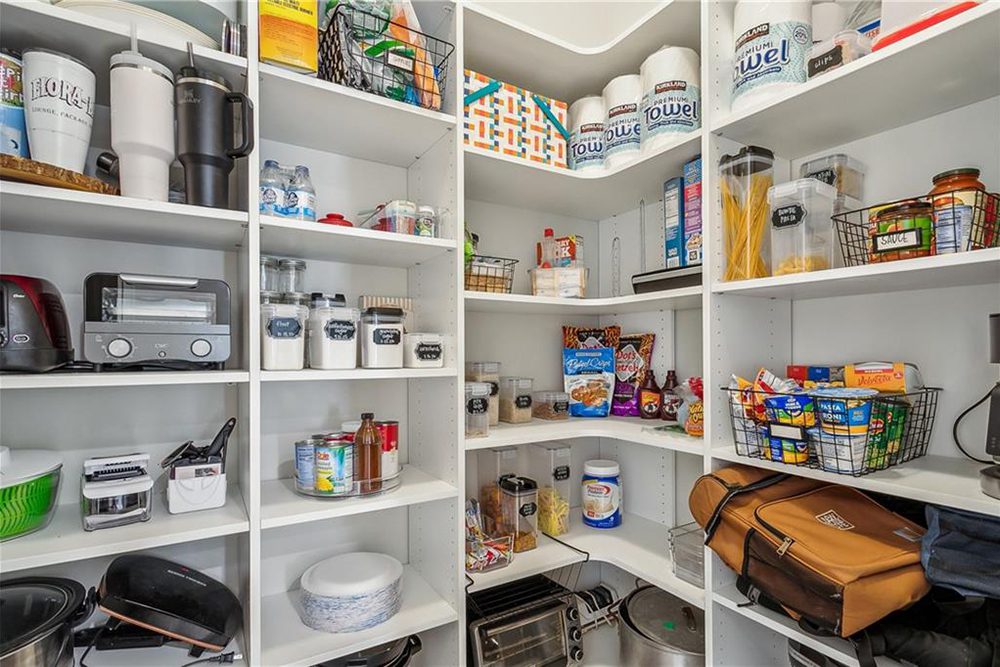
Before breaking ground, take the time to assess your current and future living requirements. Consider how your family’s needs may evolve over the years. If you frequently entertain guests, an open floor plan with a spacious kitchen and living area may be a priority. If you work remotely, a dedicated home office in a quiet area of the house could be essential. Additionally, think about storage solutions—planning for ample closet space, a functional garage, and built-in shelving can help maintain organization and efficiency.

Establishing a Realistic Budget

Creating a well-structured budget is one of the most critical steps in the homebuilding process. Factor in construction costs, permits, materials, and furnishings. Be sure to allocate additional funds for unexpected expenses by setting up a contingency reserve. While it may be tempting to cut costs, investing in high-quality materials and skilled labor will prevent costly repairs and renovations in the long run. Striking a balance between affordability and durability will result in a home that stands the test of time.

Exploring Financing Options

Most homeowners require financing when building a new home. Obtaining a loan pre-approval before selecting a builder provides a clear understanding of your budget. Consider different loan options, such as construction-to-permanent loans, which transition into a traditional mortgage upon project completion. Comparing interest rates and loan terms from multiple lenders can help secure the most favorable financing arrangement for your needs.

Selecting the Right Location

Choosing the right location for your home is just as important as the design itself. Evaluate the proximity to workplaces, schools, shopping centers, and recreational areas. Research the safety of the neighborhood, zoning laws, and environmental factors such as flood risks and soil stability. Additionally, consider the long-term growth potential of the area, as it can influence your home’s future resale value.

Choosing a Trustworthy Builder

Finding a reputable builder is crucial for ensuring the quality and integrity of your home. Look for licensed and insured professionals with a strong portfolio and positive client reviews. Visit previous projects to assess their craftsmanship and attention to detail. Clear communication, transparent pricing, and adherence to timelines should be priorities when selecting a builder. A trustworthy builder will guide you through every step of the process and address any concerns that may arise.

Maintaining Open Communication

Effective communication with your builder is key to avoiding misunderstandings and ensuring your vision is executed correctly. Clearly outline your expectations regarding design, materials, and finishes from the start. Regular check-ins and site visits allow you to track progress and identify any potential issues early on. Keeping an open dialogue ensures that adjustments can be made before they become costly or time-consuming problems.

Preparing for Potential Delays

Despite the best planning, unexpected delays can occur due to weather conditions, material shortages, or labor constraints. Having realistic expectations and a flexible mindset can help mitigate frustration. Work closely with your builder to anticipate potential setbacks and create backup plans where possible. Being prepared for delays can help keep the project moving forward smoothly.

Conducting a Final Walkthrough

Once construction is complete, a thorough walkthrough is essential to ensure everything meets your expectations. Inspect all aspects of the home, including fixtures, finishes, and appliances. Address any final touch-ups before finalizing the project. Understanding warranty details and maintenance requirements will also help you protect your investment for years to come.

By carefully considering these factors and working with experienced professionals, you can navigate the homebuilding process with confidence. Proper preparation and strategic decision-making will ultimately lead to the successful realization of your dream home.
Click Here For the Source of the Information.

Top Features to Make Your Custom Home Stand Out

Wondering how to make your new custom home the best on the block? Whether you’re searching for cool things to include when building a house or interesting ways to increase home value, check out the list below for ideas on how to make your space stand out!

Create a Secret Room

A modern home idea loved by kids and adults alike is a secret room! Whether it’s a movie theater loft, a classic hidden library, or a speakeasy-style bar, this feature adds a touch of magic and intrigue to any floor plan.

Install Built-In Shelves

While built-in shelving is standard in most custom homes, designing your own space allows for creativity. Incorporate built-in desks, tables, and bookshelves for a sleek and organized look while maximizing storage space.

Add a Kitchen Nook

Make the most of your kitchen with a cozy breakfast nook! This built-in feature saves money on furniture, adds stylish flair, and helps maximize your space efficiently.

Design a Spacious Mudroom

Upgrade from a small hall closet to a full mudroom! Built-in lockers or shelves provide a permanent, organized drop zone for coats, shoes, and sporting equipment.

Get Creative with Stair Design

Create a visually engaging focal point in your home with a unique staircase. Whether you opt for a floating staircase or hidden storage beneath the stairs, this feature can be both functional and stylish.

Plan an Upstairs Laundry Room

Adding a laundry room on the second floor enhances convenience by reducing trips up and down the stairs. This smart design choice makes chores easier and more efficient.

Include a Spa-Like Bathroom

Large master bathrooms with soaking tubs, walk-in showers, and even saunas add luxury and relaxation to your home. Modern bathrooms with unique features also help increase home value.

Bring Nature Indoors with a Tree

Create an indoor courtyard with a tree to bring natural elements inside your home. This feature adds life, originality, and a calming atmosphere to your living space.

Design an Outdoor Living Space

Enhance your home’s appeal with an outdoor living room or sunroom. Large sliding doors can seamlessly connect indoor and outdoor spaces, perfect for entertaining and relaxation.

Install Skylights or Sun Tunnels

Maximize natural light by incorporating skylights or sun tunnels. This unique feature brightens dim areas and adds a stylish touch to your home.

Experiment with Ceiling Designs

Make your home’s interior extra special by experimenting with ceiling designs. Arched ceilings, recessed lighting, or intricate molding can elevate the overall aesthetic.

Add Wine Storage

If you’re a wine enthusiast, a home wine cellar is a must-have. Whether built under the stairs or in a dedicated room, this feature is both practical and luxurious.

Include a Slide

For a fun and unique feature, consider adding a slide inside your home! This playful element is perfect for families with kids and can even double as a laundry chute.

Plan for Extra Outlets

Convenience is key! Installing additional electrical outlets and USB ports in kitchens, bathrooms, and living areas ensures easy access to power where you need it most.

Consider a Central Vacuum System

Make cleaning effortless with a whole-house central vacuum system. This feature is a modern, convenient way to keep your home tidy.

Opt for a First-Floor Master Bedroom

A first-floor master suite provides accessibility and convenience, especially for aging family members or those planning for long-term living.

Build a Smart Home

Incorporate home automation with smart thermostats, WiFi-controlled lights, and security systems. Smart homes offer enhanced convenience and energy efficiency.

Go Green with Energy-Efficient Features

Reduce your carbon footprint with environmentally friendly features such as solar panels, energy-efficient appliances, and smart water-saving fixtures.

Install Heated Floors

Enjoy the luxury of heated floors in your bathroom, kitchen, or even throughout your home. This feature provides warmth and comfort, especially in colder climates.

Add a Heated Driveway

For those living in snowy regions, a heated driveway eliminates the hassle of shoveling snow, making winter mornings much easier.

Upgrade Your Garage

A three-car garage is standard, but you can take it further by adding a workshop, RV storage, or a multi-use space. Consider climate control for added comfort.

With these custom home features, you can create a truly unique and functional space that enhances both lifestyle and property value. What features would you include in your dream home?

Click Here For the Source of the Information.

A Guide to Building Your Dream Home

Building a home is an exciting but complex process that requires careful planning and consideration. While challenges may arise, being well-prepared can help ensure a smooth experience. Here’s what you need to know before breaking ground on your dream home.

Defining Your Needs

Before designing your home, consider both your current and future needs. Think about how you use space and how your lifestyle might evolve over the next decade. For instance, if you frequently host guests, a spacious kitchen and living area may be essential. If you work from home, a dedicated office space away from high-traffic areas could be beneficial. Family size also plays a role in determining the number of bedrooms and bathrooms required. Additionally, storage is often overlooked but crucial—planning for adequate closet space, garage size, and built-in storage can prevent future frustration.

Establishing a Budget

Budgeting is one of the most critical aspects of homebuilding. A well-structured budget should include the costs of construction, permits, materials, and finishing touches. It’s also wise to set aside a contingency fund to cover unexpected expenses that may arise during construction. While it may be tempting to cut costs in certain areas, prioritizing high-quality materials and skilled labor can save money in the long run by preventing costly repairs.

Securing Financing

If financing is needed, obtaining pre-approval from a lender before selecting a builder is a smart step. Pre-approval provides insight into how much you can borrow and allows for better financial planning. There are several financing options available, including construction-to-permanent loans, which streamline the process by converting to a traditional mortgage after construction is complete. Comparing loan options from multiple lenders can help you secure the best rates and terms.

Choosing the Right Location

Location is a crucial factor in homebuilding. Consider proximity to work, schools, shopping, and recreational areas. Safety is another major concern, so researching crime rates and community developments can provide peace of mind. Additionally, look into local building codes, zoning regulations, and environmental factors such as water tables and soil conditions, which may impact construction.

Selecting a Reputable Builder

Choosing a builder is one of the most important decisions in the homebuilding process. Look for licensed and insured professionals with a strong track record and positive customer reviews. Reviewing past projects, checking references, and visiting model homes can help ensure a good fit. Transparency in pricing, timelines, and communication is also essential. A good builder will not only bring your vision to life but will also keep you informed every step of the way.

Communicating Clearly

Maintaining open and clear communication with your builder can prevent misunderstandings and delays. Be specific about your expectations and regularly check in on progress. Ask questions whenever necessary and request updates to stay informed about each stage of the process. Addressing concerns early can help avoid costly changes down the line.

Preparing for Possible Delays

Even with careful planning, unexpected delays can occur due to weather, supply chain issues, or labor shortages. Having realistic expectations and a flexible mindset can help manage stress during the building process. A good builder will anticipate potential disruptions and work with you to find solutions.

Making Your Dream a Reality

While building a home requires patience and attention to detail, careful planning and a trusted builder can make the experience rewarding. From defining your needs and budget to selecting the right location and professionals, each step plays a crucial role in creating a home that suits your lifestyle. By staying proactive and prepared, you can ensure a smoother construction journey and look forward to moving into your custom-designed dream home.

Click Here For the Source of the Information.

How to Build a Custom Home on a Budget Without Sacrificing Quality

Building a custom home might seem out of reach if you’re working with a tight budget, but with careful planning and prioritization, you can create a beautiful, quality home that meets your needs. “Custom” doesn’t always have to mean expensive. By focusing on smart decisions and thoughtful design, it’s possible to build your dream home in Grand Rapids or West Michigan without breaking the bank.

The key to staying within budget is prioritizing what matters most to you. Start by identifying the features you absolutely must have versus those that would simply be nice to include. For example, if solid flooring is a non-negotiable for allergy reduction, consider opting for laminate countertops instead of granite to balance the cost. This approach allows you to allocate resources effectively without compromising on your core needs or wish list items.

Another way to save is by choosing a builder’s included features and finishes. These features are often pre-selected by professional designers to ensure high quality and aesthetic appeal, even at the base level. While upgrades can be tempting, sticking to included options can significantly reduce costs without sacrificing style. Many of these features also offer color and finish choices, allowing you to customize your home to reflect your personality without overspending.

Keeping the home’s design simple is another cost-effective strategy. Square or rectangular floorplans with minimal roofline changes are less expensive to design, build, and maintain. You can enhance curb appeal later with landscaping, lighting, and decor as your budget allows. Simplicity in design doesn’t mean sacrificing charm—it means maximizing value.

If your budget is tight, consider scaling down the size of the home. Small doesn’t have to mean cramped; even compact floorplans can include open-concept designs, kitchen islands, owner’s suites, and ample storage. If additional space is necessary, building a two-story home is often more cost-effective than a sprawling single-story design.

Energy efficiency is another smart investment for budget-conscious homeowners. Choosing energy-efficient appliances, insulation, and systems may require a slightly higher upfront cost but results in long-term savings on utilities. Features like energy-efficient windows, LED lighting, and water-saving fixtures not only reduce monthly expenses but also contribute to a more sustainable home.

Finally, partnering with a builder that has a proven and efficient process can help minimize costs. A builder who leverages technology and streamlined workflows will waste less time and fewer materials, ultimately saving you money. Look for builders who offer tools like 3D imaging and consistent communication to ensure your project stays on track and on budget.

Click Here For the Source of the Information.

Mortgage Rates Decline, Affordability Still a Challenge

Mortgage rates are expected to decline slightly in 2025, offering a glimmer of hope for prospective buyers amid the ongoing housing affordability crisis in the U.S. According to Realtor.com’s latest housing forecast, the average 30-year fixed-rate mortgage will hover around 6.3% for most of the year and end slightly lower at 6.2%. While this marks an improvement from current rates, it is unlikely to provide significant relief for many would-be buyers struggling with high housing costs.

Realtor.com’s report acknowledges mortgage rates as a major wildcard in the 2025 housing market, noting that economic and policy uncertainties could lead to deviations from the forecast. Danielle Hale, the platform’s chief economist, emphasized that mortgage rates will play a critical role in determining housing affordability. “As home prices stay high, housing affordability is going to be make it or break it for many households, and mortgage rates will be the factor that tips the scales for many buyers and sellers, too,” Hale explained.

Currently, mortgage rates remain elevated. Freddie Mac’s latest survey shows the average 30-year fixed-rate mortgage at 6.81%, a slight improvement from the 7.22% peak seen a year ago. However, this still poses a challenge for many homeowners and potential buyers. According to a Zillow survey, approximately 80% of current mortgage holders have a rate below 5%, leading many to hold out from selling or buying due to what experts refer to as the “lock-in effect.”

While the anticipated dip in mortgage rates in 2025 is expected to keep housing costs relatively stable, it may not be enough to spark a dramatic change in affordability. Hale predicts that higher incomes will provide some relief, allowing modest improvements in affordability and a slight uptick in home sales. “The modest decline in mortgage rates will not support a big reset in the lock-in effect for existing homeowners, but time and life events are expected to reduce the share of mortgages under 6% from 84% in mid-2024 to 75% by the end of 2025,” she added.

The trajectory of mortgage rates will significantly impact home sales. A faster-than-anticipated decline could stimulate more robust growth in sales, while persistently high rates would likely constrain market activity. With many households still grappling with affordability challenges, the housing market in 2025 remains poised for only gradual improvements, hinging heavily on the economic and policy developments of the year ahead.

Click Here For the Source of the Information.

Master-Planned Communities What They Offer and How to Decide If They Are Right for You

Choosing a home today involves more than simply finding a house in a desirable neighborhood. Increasingly, prospective homeowners are considering master-planned communities, which offer more than just streets and public amenities. These developments provide a curated lifestyle with features designed to meet residents’ needs, often within walking distance of their homes.

Master-planned communities stand out because they are thoughtfully designed as cohesive developments. According to Derrick Barker, CEO and co-founder of Nectar, these communities include a mix of building types and uses, creating functional and aesthetically pleasing neighborhoods. Unlike traditional housing developments, master-planned communities are created with a unified vision, offering residents integrated design and convenience.

One of the primary draws of these communities is the abundance of amenities. From shared pools, parks, and gyms to restaurants, retail shops, and even schools, master-planned communities are designed around the concept of “live, work, play.” Alex Toth, head of business development at Opendoor, explains that these neighborhoods often include recreational trails, golf courses, shopping centers, and even medical facilities. Some developers are incorporating unique features such as lagoons, further enhancing the appeal of these communities.

Master-planned communities often cater to specific populations, including families, retirees, and niche groups such as sports enthusiasts or residents over 55. This diversity of offerings allows buyers to choose homes and amenities that align with their lifestyles. Additionally, because many of these communities are built in remote or rural areas, having essential services like grocery stores and restaurants within walking distance is a significant perk.

Another benefit of master-planned communities is the opportunity for social engagement. With shared spaces and organized activities like movies in the park, residents can connect with like-minded individuals and build friendships. For families and retirees alike, this sense of community is a key selling point.

These communities typically operate under homeowners associations (HOAs) that establish rules, or covenants, conditions, and restrictions (CC&Rs), to maintain shared spaces and uphold the neighborhood’s quality. While HOAs come with fees and guidelines, they are essential for preserving the lifestyle and amenities that residents enjoy.

Deciding whether to move to a master-planned community requires careful consideration of your lifestyle preferences and long-term goals. While the amenities and social opportunities are appealing, the structure and fees associated with HOAs may not suit everyone. Talking to current residents can provide valuable insight into the community’s atmosphere and whether it aligns with your expectations.

For those considering purchasing in a partially developed community, examining the developer’s long-term plans can offer additional clarity. Derrick Barker notes that buying early in the development process may provide an opportunity to secure a home at a lower price, which could appreciate as the community grows.

Master-planned communities are designed to offer convenience, connectivity, and a high quality of life. Whether they are right for you depends on your priorities, preferences, and plans for the future. With thoughtful evaluation, these communities can be an excellent option for those seeking a well-rounded and engaging living environment.

Click Here For the Source of the Information.