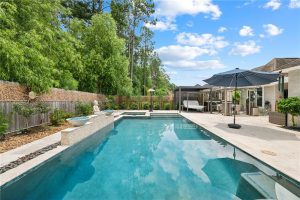
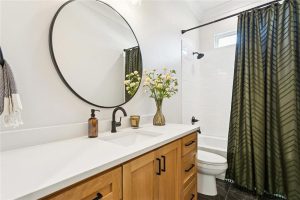
Occasionally, because Bedico Creek Preserve is such a popular neighborhood on the northshore of Lake Pontchartrain in New Orleans, Louisiana, we will have newspaper, magazine, and online articles and blogs written about our master-planned community. We feature these articles in our Press Room area. Also, we sometimes create press releases for special news and events that are happening at Bedico Creek Preserve. You can find all of this information, plus make media inquiries all right here in our Press Room.

The Lobby Lounge @ The Harbor Center: Adam Pearce & The Dreamers, September 17, 2025

The Lobby Lounge, located inside The Harbor Center in Slidell, is a listening room venue that hosts a concert series featuring nationally touring acts throughout the year.

Adam Pearce & The Dreamers

Northshore Harbor Center
100 Harbor Center Blvd.
Slidell, LA 70461

September 17, 2025
7pm

Price: $22+


Click here for more information

LPO Northshore Classics: Weigel Violin Concerto, September 12, 2025

This is the fall 2025  show in Covington.

Weigel Violin Concerto

September 12, 2025
7:30pm – 9:30pm

Fuhrmann Auditorium
317 N Jefferson Ave.
Covington, LA 70433

Price: $13 – $69+

Click Here to Get More Information.

Never Forget 5K Run/Walk, September 13, 2025

Presented by Tunnels to Towers Foundation in Covington.

Never Forget 5K Run/Walk

Covington Trailhead Museum and Visitors Center
419 N. New Hampshire St
Covington, LA 70433

September 13, 2025
8am – 12pm

Free event

Click Here for More Information.


Louisiana Food Truck Festival, September 6, 2025

Bring your chairs and come to the festival to enjoy some food in Slidell.

Louisiana Food Truck Festival 


Northsore Harbor Center
100 Harbor Center Blvd
Slidell, LA 70460

September 6, 2025
11am – 6pm

Free Event.

Click Here for More Information!


Why Wood Floors Are the New Showpiece of Home Design

For decades, designers called the ceiling the “fifth wall” and used it to add drama and style. Today, more attention is shifting downward, as homeowners and designers embrace the floor as the “sixth wall”—a place where craftsmanship, color, and character can shine. And at the top of that design conversation is wood flooring.

Wood floors are once again in high demand. Their natural warmth, timeless beauty, and growing variety of styles have made them a go-to choice in both new construction and remodeling. Homeowners can select from a wide range of wood species, plank sizes, finishes, and construction types to suit just about any space or style. Solid and engineered wood options provide different benefits depending on a home’s needs, but both include real wood and high-end appeal.

This surge in popularity is not just about looks—it is also about value. According to the 2022 Remodeling Impact Report by the National Association of REALTORS and the National Association of the Remodeling Industry, homeowners can expect a return of 147 percent on their investment in wood flooring. That ROI makes it one of the best remodeling decisions for resale value.

However, the luxury comes with a cost. Wood sits at the higher end of the pricing spectrum, partly because it is perceived as a high-end material that retains value rather than fluctuating like a commodity. Solid wood is typically more expensive than engineered options because it offers more thickness and can be refinished multiple times. Still, some engineered wood products—depending on wear layer, length, width, and species—can be just as expensive as solid wood.

Board dimensions also play a role in today’s trends. Wider, longer planks—often seven inches or more in width and up to sixteen feet in length—are in vogue for their seamless and modern aesthetic. They create a cleaner, less choppy look that feels luxurious. In historic homes, however, designers often match existing board sizes to maintain authenticity.

Color preferences in wood flooring are shifting along with overall interior design trends. Lighter tones, such as natural or white oak with tan or straw stains, are in demand. Red oak is gaining popularity, while medium browns remain a timeless favorite. Darker woods still find their place as a striking contrast to white walls, though they require more upkeep due to visible dust and debris. Painted or stained floors are also emerging as a cost-effective way to personalize spaces, especially when blending old and new flooring.

The species of wood selected often depends on location and lifestyle. Southern homeowners tend to lean toward harder, less grainy woods like maple and walnut. In the Northeast, white oak and red oak remain top choices due to their availability and versatility.

Finish choices are evolving too. The high-gloss look of years past has given way to a matte or satin sheen, which better hides dust, scratches, and daily wear. Reclaimed wood with natural patina is also making a comeback in vintage-style homes, though it can come at a premium due to its rarity and imperfections. More adventurous homeowners are embracing intricate patterns like chevron or herringbone, though these styles increase installation time and cost.

Maintenance is surprisingly straightforward. Most wood floors just need a light mop with mild soap and water. Applying a new coat of finish every few years helps maintain durability, and full sanding is typically only needed every ten to fifteen years. Like any flooring, wood can be damaged by standing water or pet stains, so some caution is necessary.

Despite the price tag and the care involved, wood flooring continues to be one of the most desired upgrades in today’s homes. As designer Patricia Gaylor puts it, nothing beats the feel and richness of real wood. For those on a tighter budget, engineered options provide a stylish and cost-effective alternative that still elevates a space. In the end, wood flooring remains a classic choice that blends beauty, durability, and long-term value—setting the tone for the rest of the home.

Click Here For the Source of the Information.

Summer Mortgage Rates Stir the Housing Market into Motion

Even small movements in mortgage rates are creating ripples across the housing market this summer. During the week ending July 4, homebuyers jumped at the chance to lock in lower rates, driving a 9 percent surge in mortgage applications for home purchases compared to the previous week. According to the Mortgage Bankers Association (MBA), this spike also marked a 25 percent increase from the same week in 2023—a clear signal that buyers are paying close attention to rate trends.

Mortgage applications are often a preview of upcoming homebuying activity, and these numbers show just how sensitive today’s market is to even slight changes in borrowing costs. Joel Kan, MBA’s deputy chief economist, credits this renewed buyer demand to a mix of growing housing inventory and a slowing pace of home price growth. Meanwhile, current homeowners took advantage of the brief dip in rates to refinance, with refinance applications jumping 56 percent year-over-year.

However, the window for lower rates did not stay open for long. As of the week ending July 10, rates began climbing again following a stronger-than-expected jobs report. Freddie Mac’s latest data shows the average rate for a 30-year fixed mortgage has ticked up to 6.72 percent from 6.67 percent the previous week. That is still lower than the 6.89 percent average from a year ago, but the upward movement signals volatility ahead.

Freddie Mac’s chief economist Sam Khater noted that despite affordability challenges, homebuyers and those looking to refinance are reacting quickly when rates decline. This week’s mortgage rate increases came after five straight weeks of drops, showing just how quickly market dynamics can shift.

One notable trend is the decreasing size of the average mortgage loan. The MBA reports that the average loan amount for a home purchase has dropped to $432,600, the lowest level since January. This suggests buyers are either opting for more modest homes or that pricing pressures may be softening in some markets.

Here’s how national mortgage rates stack up this week, according to Freddie Mac:

30-year fixed-rate mortgages averaged 6.72 percent, up from last week’s 6.67 percent. One year ago, the rate was 6.89 percent.

15-year fixed-rate mortgages averaged 5.86 percent, up from 5.80 percent last week. At the same time last year, the average was 6.17 percent.

While rates remain high by historical standards, even slight improvements are enough to draw buyers and homeowners off the sidelines. As we move deeper into the summer market, the key question is whether rates will stabilize, rise again, or dip just enough to keep this momentum going. For now, one thing is clear—buyers are watching the market closely and are ready to act when the numbers make sense.

Click Here For the Source of the Information.